


The online gaming scene is packed https://bigbasscrashcasino.ca/. Titles appear and vanish all the time. A game that survives does so because it grows and improves. Right now in Canada, something noteworthy is happening with the Big Bass Crash game. Its developers chose a clear path. They chose to listen to their players. They didn’t just open a suggestion box and forget about it. They created direct connections to their Canadian community, actively compiling, sorting, and using player feedback to improve the game. This isn’t about resolving tiny issues. It’s about a fresh method of building a game, where Canadian players help draw the map for what comes next. The game now fits what its audience wants. That creates a feeling of belonging and trust you don’t see every day. For a game all about the nerve-wracking second before a multiplier crashes, this commitment to player input has become its most reliable feature.
The Canadian Player’s Voice: A Clear Line to Developers
Most of the time, playing an online game in Canada can feel like a monologue. You receive a finished product. Your ideas enter a black hole. The Big Bass Crash team aimed to change that feeling from the start. They established several easy ways for their Canadian community to be heard. They launched dedicated threads on big gaming forums. They conducted social media campaigns to listen on platforms Canadians use. They even added a simple feedback tool inside the game itself, so players could share thoughts without stopping their session. The real trick was not only making these channels. It was making sure players knew they worked. Anyone who submitted feedback got an automatic confirmation that their message was received. Community managers regularly posted updates about what topics players were talking about most. This created a cycle. Players saw others getting a response, so they became more comfortable sharing their own detailed ideas. They knew a person would read it, not just a computer ticket system.

Building Trust Through Transparency and Responsiveness
When gamers feel listened to, they remain loyal. In Canada, where people value fair treatment, the Big Bass Crash team’s open approach has built trust quickly. They often publish update blogs with a simple title: “You Spoke, We Listened.” These entries detail precisely which suggestions were included in the newest update. Every entry references the forum discussion or community chat that initiated it. This tells a clear story of partnership. Their reaction to difficulties also enhances reliability. One night, server latency affected gamers in Ontario. The team reacted swiftly. They were upfront about the issue, apologized, and sent automatic compensation to every affected account. Measure that against the sector’s practice of quietness or unclear messages. The disparity in community response is enormous. Across discussion boards, users are more patient and cooperative when difficulties occur. They believe the team is trying to do the right thing. That conviction is the greatest advantage a game can hold.
Core Gameplay Upgrades Based on Community Suggestions
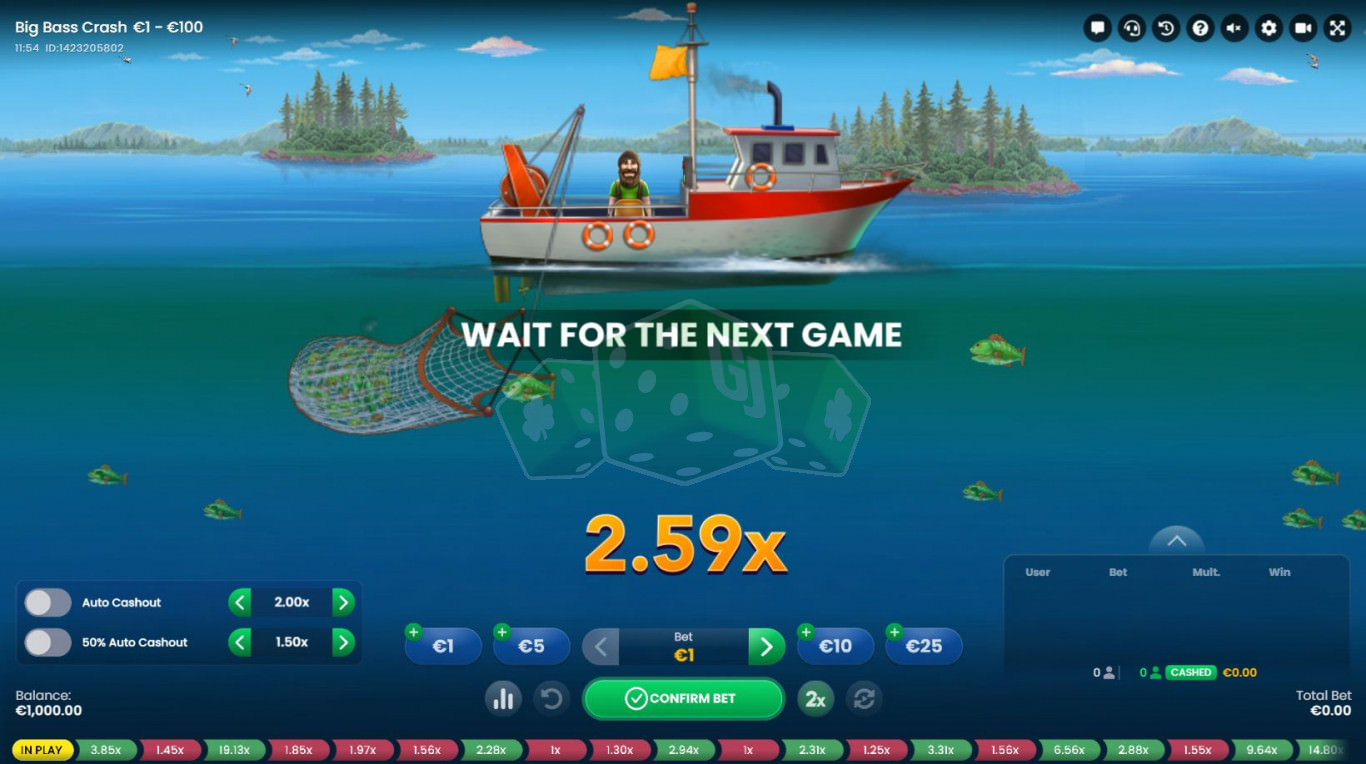
You will notice the results of this feedback loop within the style Big Bass Crash plays. Canadian players, who often prefer both fast action and thoughtful strategy, shared many ideas that were included in the game. One of the earliest big changes was a new autoplay function. The original version was simple, just replaying bets. Players demanded more control. They wanted to set stop-loss limits, win targets, and automatic cash-out points at specific multipliers. Incorporating these options altered autoplay. It went from a simple convenience to a true tool for controlling risk. Another change stemmed from visual feedback. Some players mentioned the rocket’s multiplier climb was too hard to track when it accelerated fast. The team acted. They implemented clearer visual markers and an setting for a more prominent, on-screen multiplier display. These go beyond small tweaks. They transform how players experience the essence of the game, minimizing frustration and introducing more strategy.
From Feedback to Action: The Feedback Implementation Process
Getting feedback is step one. Turning it into a real game update is a much bigger task. The team created a thorough system to manage all the feedback from Canadian players. First, every piece of feedback gets sorted. It goes into groups like “Gameplay Mechanics,” “Visual/Audio Design,” “Performance Issues,” and “New Feature Requests.” Then a team reviews each category. This team consists of game designers, developers, and data analysts. They don’t just go by popular opinion. They align it with numbers. If many players request a new bet level, the analysts review data to see if players are departing at certain stake points. The best ideas that are also possible to build get placed on a public roadmap. The clarity here is key. The developers discuss what they’re doing, and also explain why some popular ideas might take time or aren’t feasible. They provide these reasons in plain language, without technical jargon. This openness, even when the news isn’t what players expected, has created a solid layer of trust.
Future Roadmap: Shaping Together the Future Big Features
The feedback project has evolved. It’s currently a model for jointly shaping what lies ahead. The developers have moved beyond problem-solving. They’re asking the Canadian community to help conceive new features. They employ polls and dedicated discussion groups to assess early concepts with players. Right now, the community is contributing ideas for new bonus round mechanics, social features for friendly competition, and unique seasonal events. One player concept for a “Northern Pike” bonus mode is receiving real attention from the design team. Bringing players in at this early stage minimizes risk. It keeps the team from spending time and money building something players don’t actually want. This joint planning ensures the game grows in a direction players appreciate. That’s how a game remains relevant and engaging in a market like Canada’s.
Adapting the Journey: Adaptation Beyond Language
For many games, creating a variant for Canada means converting text into English and French. The Big Bass Crash project dug deeper. Real localization signifies grasping cultural and practical details. Player feedback pointed out where to go further. This resulted in adding payment methods Canadians trust and prefer for deposits and withdrawals, which is crucial for convenience and security. The game’s bass fishing theme performs everywhere, but the team added small touches based on suggestions. You may see visuals based on Canadian lake scenery during special seasonal events. They also modified how customer support operates to meet Canadian expectations for quick, clear help. Special tournaments and bonus events now line up with Canadian holidays and long weekends, when more people are online to play. This type of detail shows respect for the player’s world. It helps the game feel less like an import and more like something created for them.
Tips for Contribute Your Feedback Effectively
If you’re a Canadian player hoping to take part in this dialogue, the way you provide feedback matters. Examining their process, the recommendations that get action possess a few qualities. They are specific and helpful. Avoid simply claiming “the game is boring.” Rather, consider something such as, “After an hour, the wait between big wins loses my attention. Maybe a small visual reward every 10th cash-out would help.” Also, reflect on what’s feasible. Grand concepts are wonderful, but ideas that match the game’s present mechanics frequently get implemented faster. To ensure your input helps, take these steps:
- Employ the in-game feedback tool for rapid bug reports or reactions while you’re playing.
- For larger feature ideas, head to the official community forum. Check first to add your support to similar ideas, or begin a in-depth new topic.
- Describe the problem distinctly. If you can, recommend a workable way to resolve it.
- Engage in official polls and surveys. The team relies on this data straight to choose what to work on.
Consider it as a conversation. The developers have demonstrated they are hearing you. When you provide straightforward, insightful feedback, you assist mold the game you experience.
What is occurring with Big Bass Crash in Canada illustrates what community-driven development can do. Via building real feedback channels, employing a clear process to respond to that input, and thoughtfully adapting the experience for local players, the game has created a sense of partnership. The enhancements to gameplay, localization, and communication are beyond merely updates. They are the elements that establish trust and loyalty. In an industry where developers commonly seem removed from their players, this open dialogue has achieved two things. It has turned the game enhanced, and it has formed a dedicated community that feels involved in the game’s success. By listening to its Canadian players, Big Bass Crash has identified a way to endure.